
Overview
Sea freight is the most economical way to move large volumes and heavy goods over long distances. It is the backbone of international trade, from raw materials to finished products.
Cargo Express organises sea transport and the related paperwork, whether your goods fill a full container (FCL) or share a container with other shipments (LCL).
We coordinate the stages before and after the sea leg — collection, container loading, port formalities, customs and final delivery — so that you have a single point of contact.
What the service can include
- Advice on the right option: full container (FCL) or consolidated cargo (LCL)
- Booking with a shipping line or a consolidation partner
- Collection of the goods and transport to the port or container depot
- Container loading, securing and sealing when required
- Preparation of the shipping documents and the bill of lading instructions
- Submission of the container’s verified gross mass (VGM) when applicable
- Export and import customs formalities when requested
- Delivery from the port of discharge to the final address
How it works
-
Your request
You tell us what you are shipping, the volume, the weight and the ports or addresses involved.
-
Quotation
We recommend FCL or LCL and send you a written quotation with the conditions of the shipment.
-
Loading
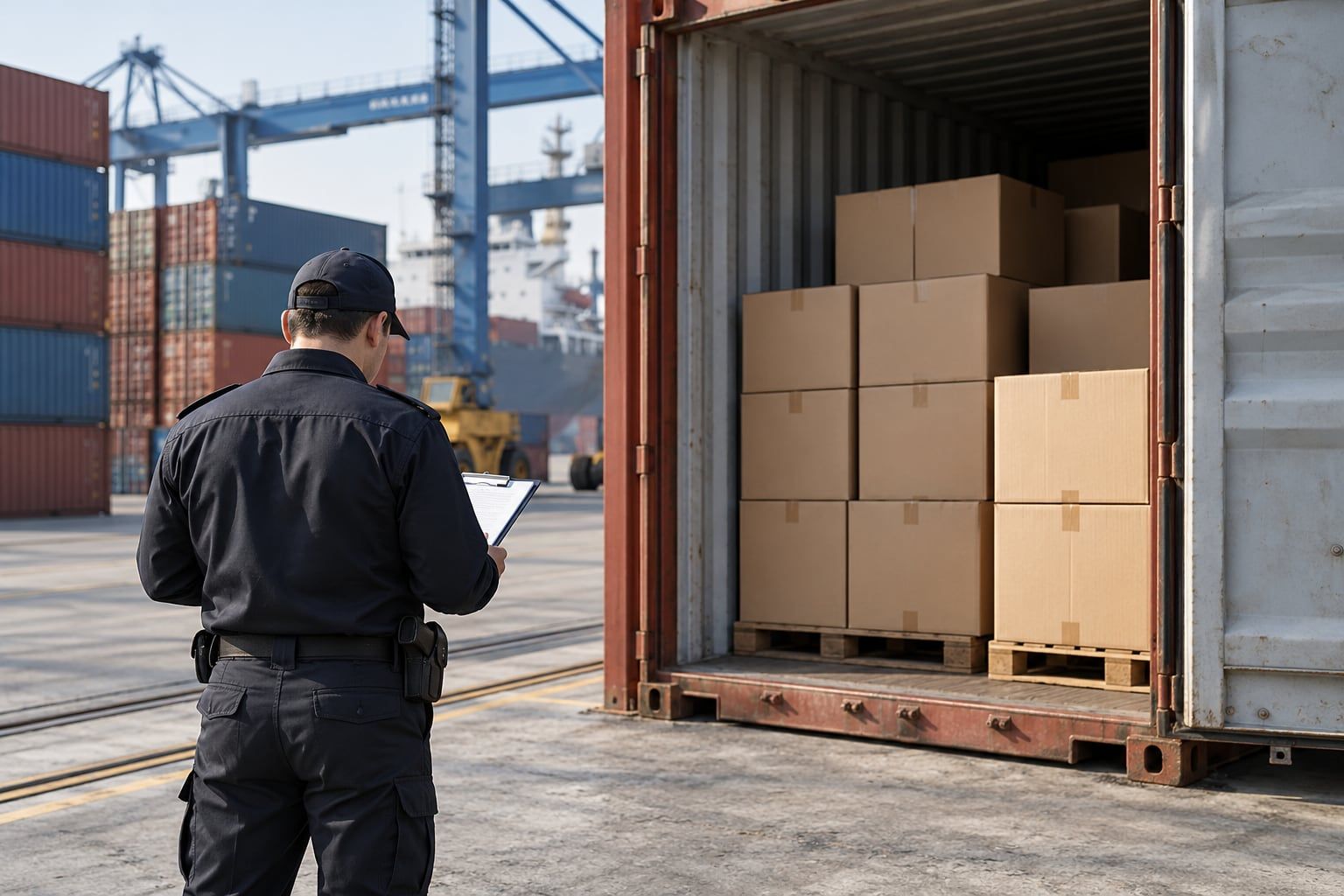
The goods are collected, packed into the container and delivered to the port with their documents.
-
Ocean transport
The container is loaded on the vessel and carried to the port of discharge.
-
Arrival and delivery
After customs clearance, the cargo is released and delivered. Each step is recorded in the tracking.
Documents usually required
- Commercial invoice
- Packing list
- Bill of lading (issued by the carrier)
- Certificate of origin, when required or when preferential duty is claimed
- Fumigation or phytosanitary certificates for certain goods and packaging
- Dangerous goods documentation under the IMDG Code, when applicable
The exact list depends on the goods, the origin and the destination. We confirm it with you before shipping.
Suited for
- Large and heavy consignments
- Regular import and export flows
- Goods that are not time-critical
- Machinery, vehicles and project cargo
- Raw materials and bulk-packed products
Questions about this service
What is the difference between FCL and LCL?
FCL (Full Container Load) means a container is used for your goods only. LCL (Less than Container Load) means your goods share a container with other shipments, and you pay for the space you use. LCL suits smaller volumes; FCL is often more economical and simpler to handle when your cargo fills most of a container.
Which container sizes exist?
The most common are 20-foot and 40-foot dry containers, including 40-foot “high cube” containers that are taller. Special equipment such as refrigerated, open-top or flat-rack containers exists for specific cargo. We advise you on the right equipment for your goods.
Do wooden pallets and crates need special treatment?
For international shipments, solid wood packaging generally has to comply with the ISPM 15 standard: it must be heat-treated or fumigated and carry the official mark. Non-compliant packaging can be refused or treated at the destination at the shipper’s cost.
Related services
-
-
Logistics and warehousing
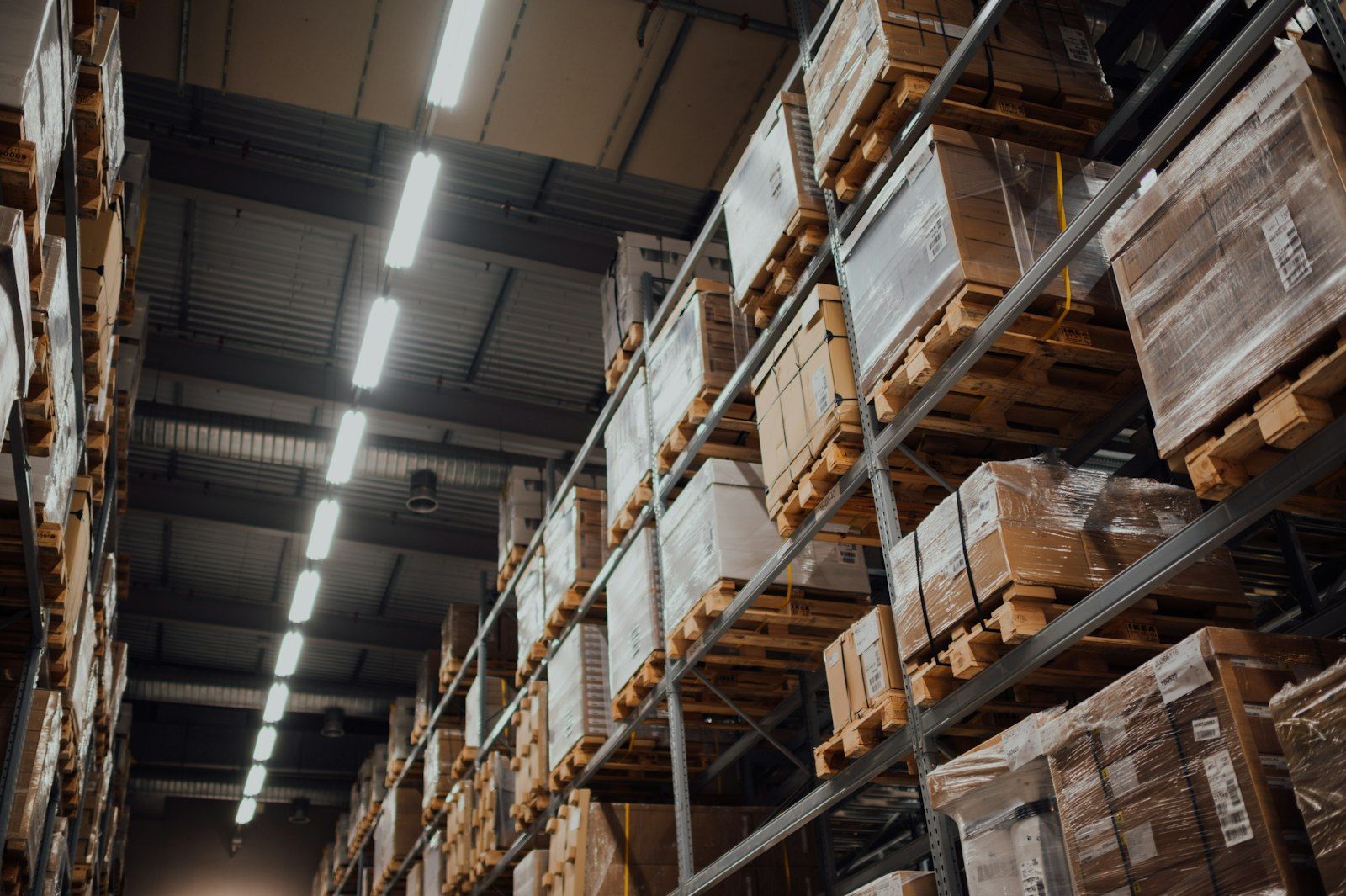
Storage and handling between transport stages.
View the service: Logistics and warehousing -
Ready to plan your shipment?
Send us the details of your cargo and our team will come back to you with a tailored quotation.